Navratri Decoration Ideas: Decorate Your Home Mandir for Navratri 2026
When Navratri arrives, many homes change. The puja corner is cleaned, a red chunri is draped over the Goddess, a lamp is lit and the entrance is brightened with rangoli. A well-decorated mandir does more than look beautiful. It sets the mood for nine days of prayer and helps the whole family feel the festival.
You do not need a large space or a big budget. This guide gives you practical, step-by-step Navratri decoration ideas for your home mandir, from the chowki to the lights, along with tips for small homes and common mistakes to avoid. Sharad Navratri 2026 begins on 11 October and ends on 19 October, with Dussehra on 20 October, so there is still time to get ready.
Step 1: Clean and Prepare the Space
Decoration begins with cleanliness. Before Ghatasthapana:
-
Clean the puja area, the wall behind it and the floor.
-
Remove old flowers, ash and dust from the mandir.
-
Wipe your idols, bells and thalis with a clean cloth.
-
Keep the space free of clutter, so there is room for the kalash, lamp and offerings.
Many families do this a day or two before Navratri, so the morning of Ghatasthapana stays calm.
Step 2: Choose Where to Set Up
Many families set up the Navratri puja in the north-east corner of the home, facing east or north, as is often suggested in Vastu traditions. If your home layout does not allow this, choose a clean, quiet spot with enough room to sit comfortably. Sincerity matters more than direction.
Step 3: Set Up a Chowki for the Goddess
A chowki (raised platform) gives the Goddess a respectful seat. Do not place the idol directly on the floor.
-
Choose a sturdy wooden chowki. Meenakari designs add colour and a festive look.
-
Cover it with a clean red cloth.
-
Place the idol of Goddess Durga at the centre, with the kalash beside it.
-
Keep the thali, lamp and bell within easy reach.
If you do not yet have an idol, you can browse brass Sherawali Mata idols or resin Durga statues.
Step 4: Dress the Goddess with a Mata Ki Chunri
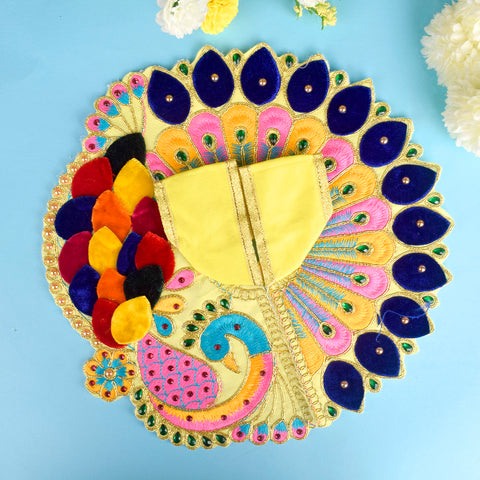
Offering a red chunri is one of the most loved Navratri traditions. It symbolises devotion and the Goddess's blessings.
-
Drape the Mata Ki Chunni neatly around the idol or over the back of the chowki.
-
Wrap the coconut for the kalash in a small red cloth.
-
Keep the fabric clear of the flame so it does not catch fire.
Choose a size that suits your setup. A large chunri works well for a temple-style mandir, while a smaller one suits a tabletop altar.
Step 5: Add a Backdrop
A backdrop turns a plain wall into a festive setting.
-
Printed backdrop cloths: Floral, marigold and banana leaf designs work well behind the idol.
-
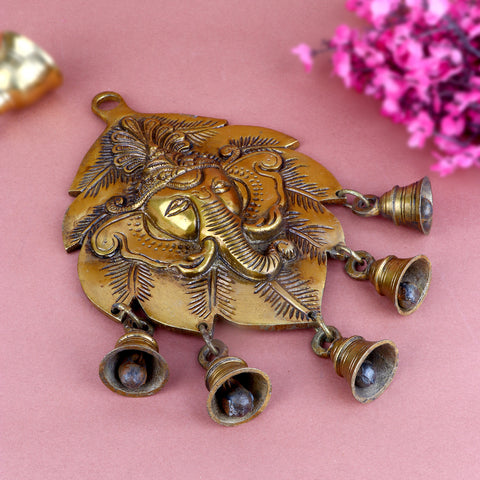
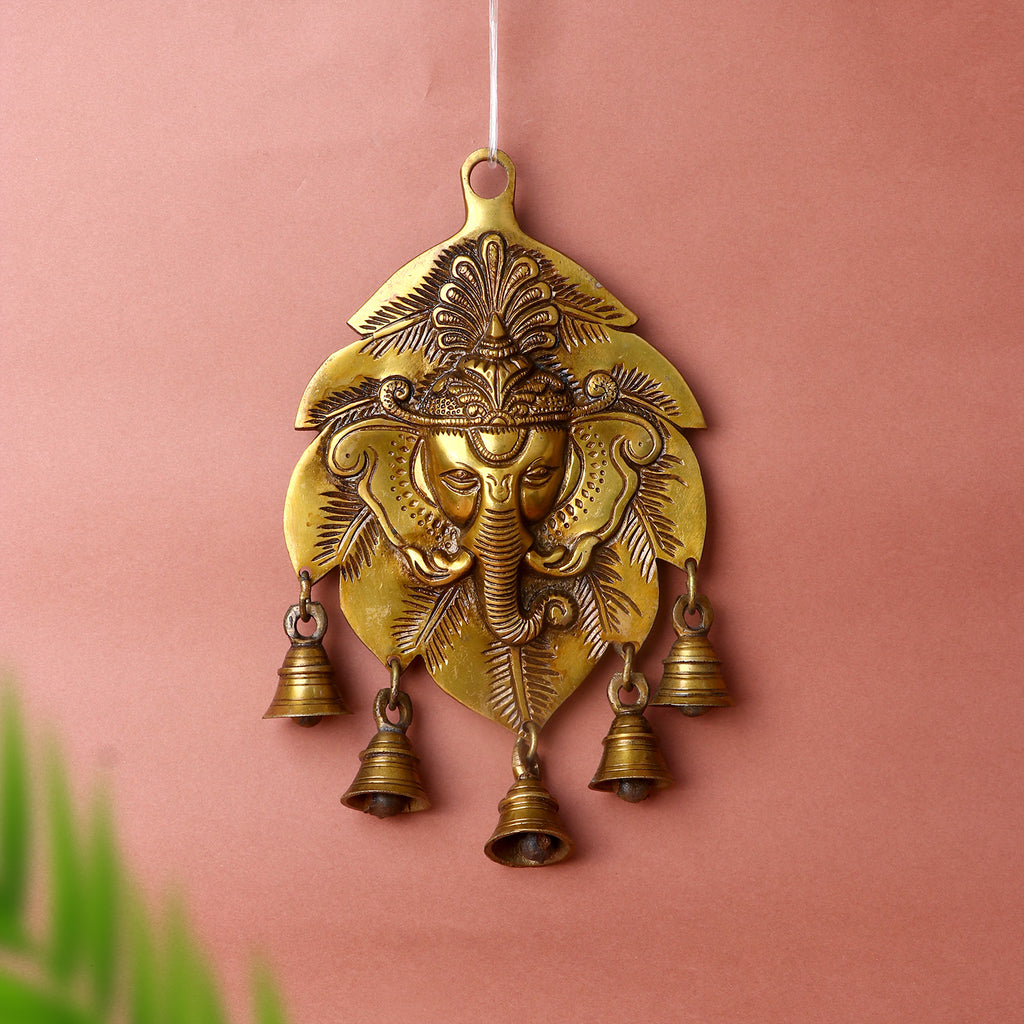
Lotus and bell hangings: A hanging with bells adds a traditional, temple-like look.
-
Simple red or yellow cloth: An easy, budget-friendly option.
Browse Navratri decoration items for backdrop cloths and wall hangings. Pick colours that match your Chunri, so the setup looks calm and not crowded.
Step 6: Use Flowers and Leaves
Fresh flowers make any mandir look alive.
-
Marigold (genda): The classic festive choice. String garlands around the chowki and across the mandir.
-
Red hibiscus: Considered dear to the Goddess and commonly offered during Navratri.
-
Mango leaves: Tie them on the kalash and along the main door.
-
Rose petals: Scatter lightly around the base of the idol.
Change the flowers daily if you can, and remove wilted ones.
Step 7: Light It Up Safely
Light is central to Navratri.
-
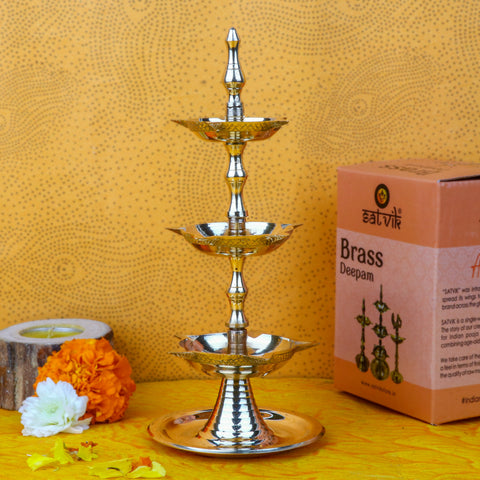
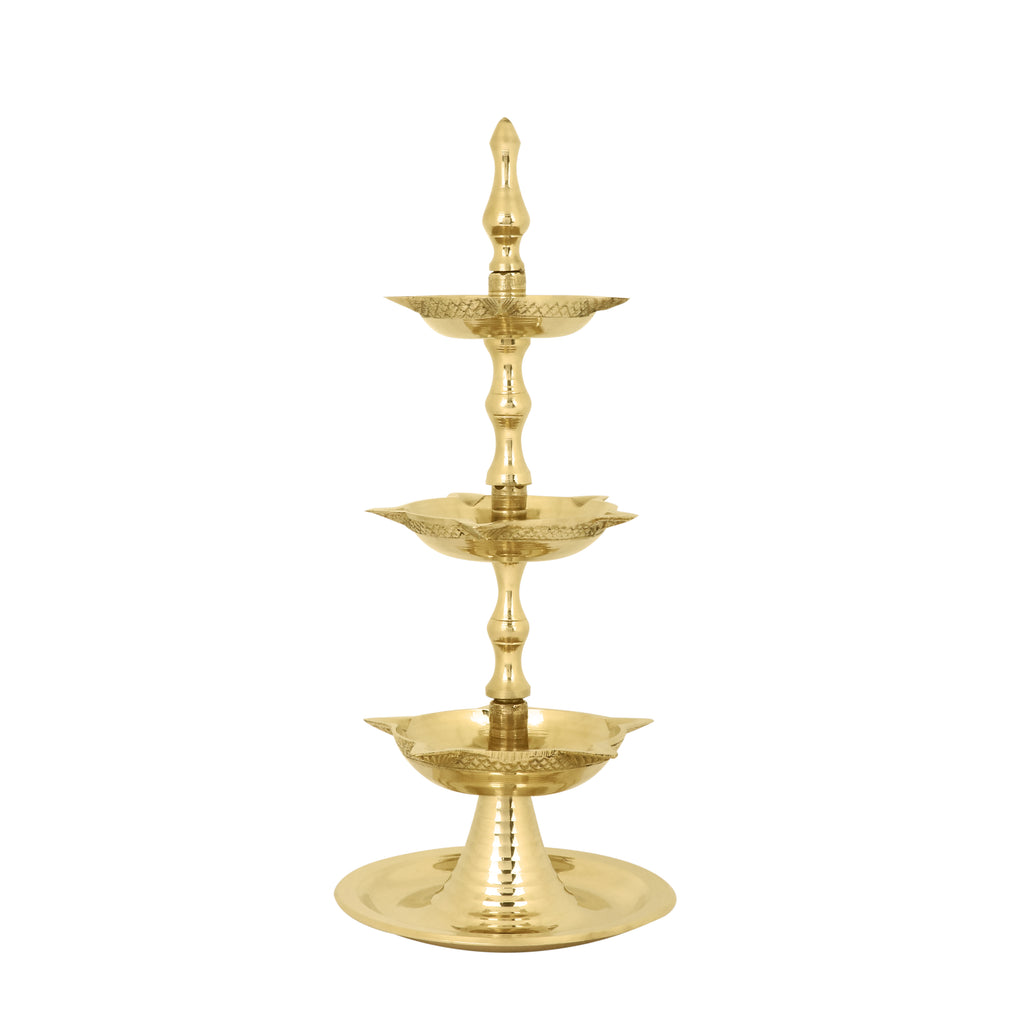
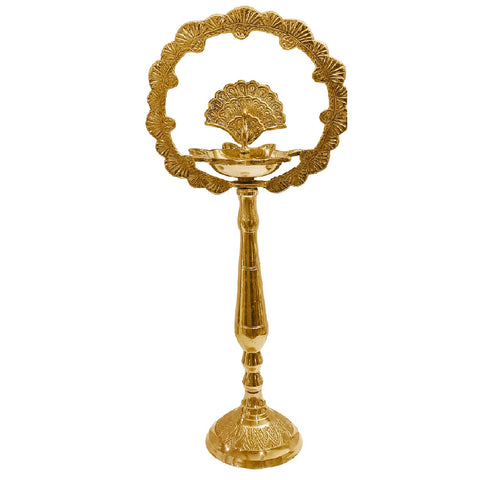
Akhand Jyot: Many families keep a lamp burning for all nine days. Choose a stable diya with enough ghee or oil, and keep it on a firm surface.
-
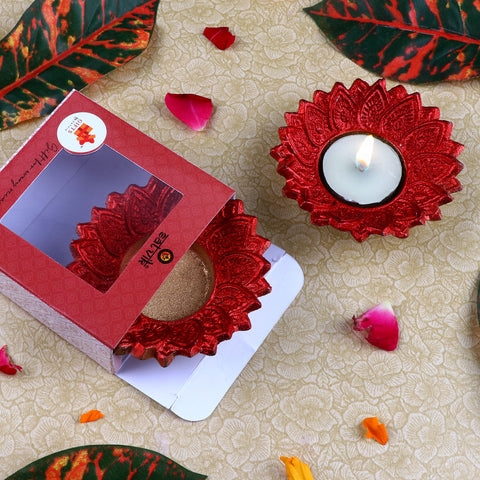
Diyas at the corners: Place small diyas around the mandir and at the entrance each evening.
-
Fairy lights: Use LED lights around the mandir for a soft glow without open flame.
Safety first: Keep chunri, curtains, dry flowers and paper decorations well away from any open flame. Never leave a lamp unattended in a room with children or pets.
Step 8: Decorate the Entrance
Navratri decoration begins at your door.
-
Rangoli: Welcome the Goddess with a bright rangoli at the entrance. Rangoli colors and stencils make a neat design easy, even for beginners.
-
Toran: Hang a marigold or mango leaf toran across the main door. You can explore Toran and Bandarwal for ready-made designs.
-
Diyas: Line the doorstep with a few small lamps in the evening.
Step 9: Arrange the Puja Essentials
Keep everything the puja needs close at hand, neatly arranged:
-
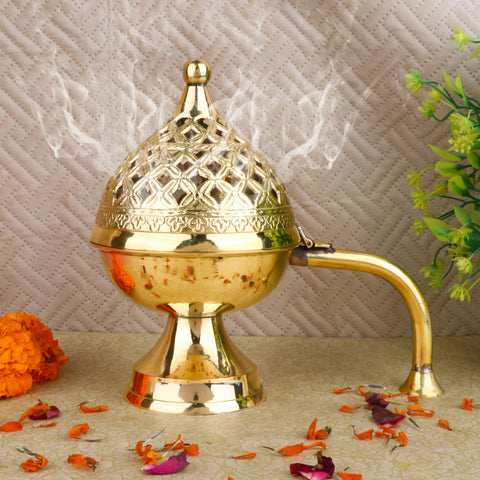
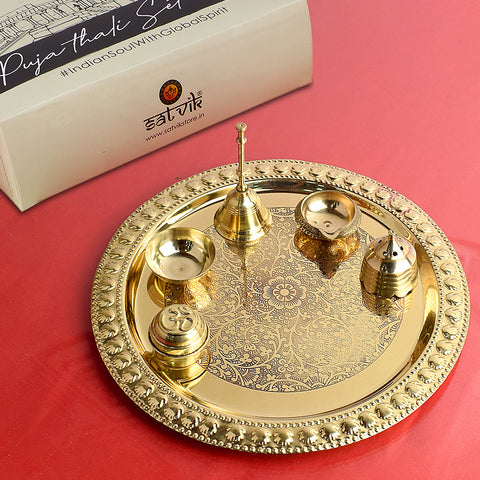
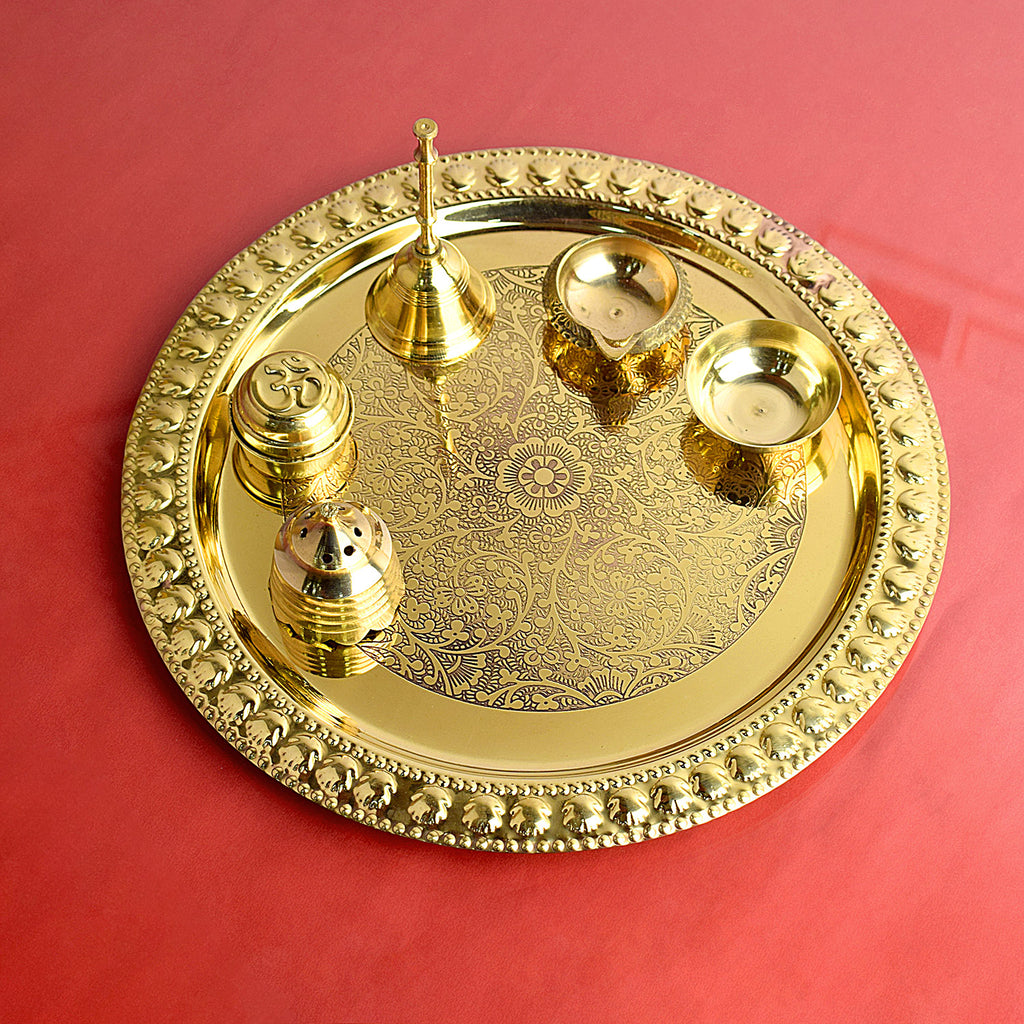
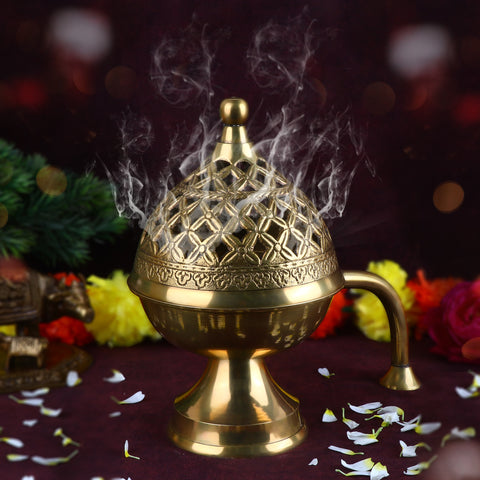
A pooja thali with kumkum, haldi, rice, incense and camphor
-
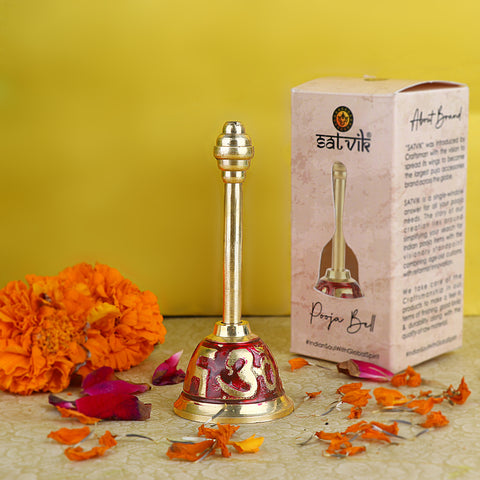
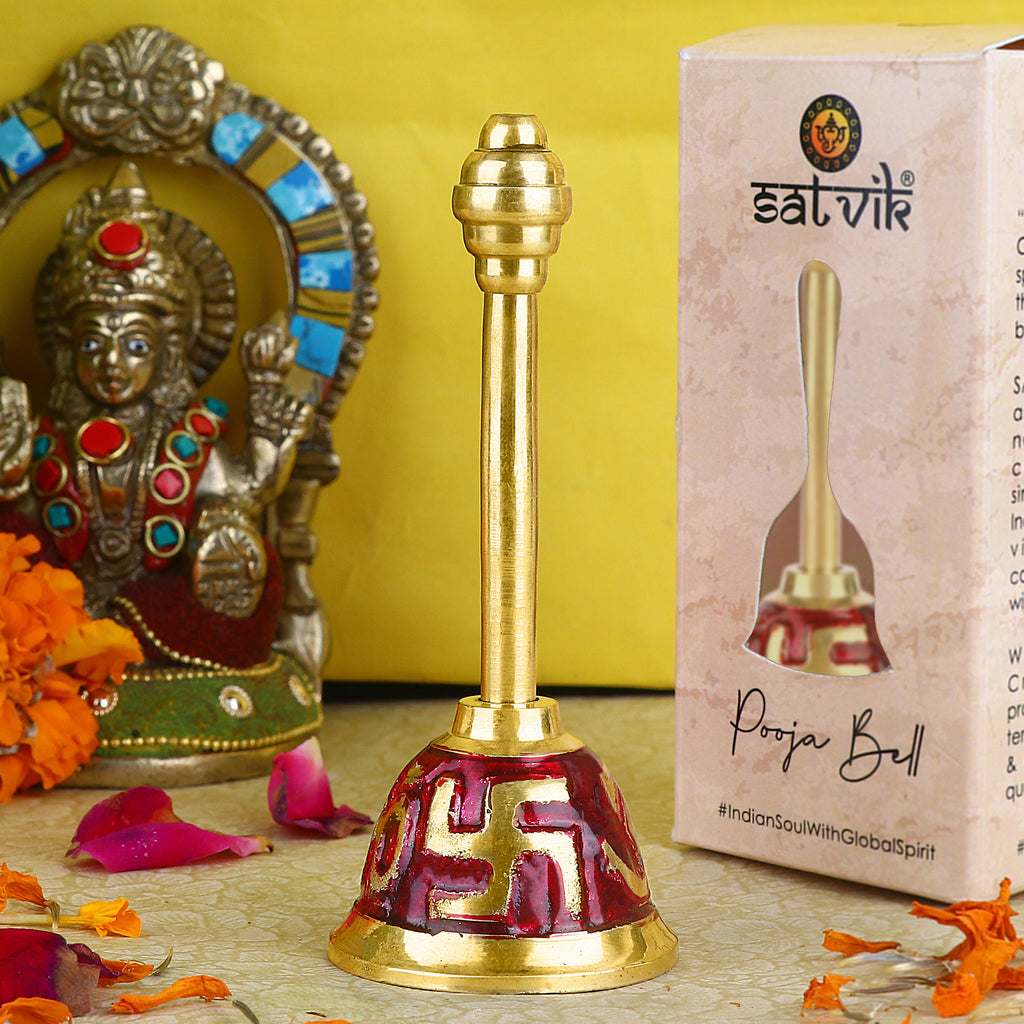
A brass pooja bell for aarti
-
A puja asan for the person performing the puja
-
A small plate for prasad and fruits
For a ready set of daily items, see daily puja items.
Decoration Ideas for Small Homes and Apartments
You can create a beautiful Navratri setup in a compact space.
-
Use a tabletop altar: A small chowki on a side table is enough.
-
Go vertical: A wall hanging or backdrop makes the setup look bigger without using floor space.
-
Keep it minimal: One idol, one kalash, one lamp and fresh flowers can look beautiful.
-
Choose LED lights: They are safe in small rooms and add warmth.
-
Place the rangoli smartly: A small rangoli with a stencil fits any doorway.
Shop Navratri Decoration Items at Satvik
Satvik's Navratri collection has what you need to set up your mandir in one place:
-
Chowkis, puja asan and Mata Ki Chunni for the altar
-
Durga Mata idols in brass and resin
-
Backdrop cloths and wall hangings for a festive setting
-
Diyas, rangoli colors and stencils, and brass bells and thalis
-
Dandiya sticks for Garba nights
-
Cash on delivery across India and same-day dispatch on orders placed before 12 PM (Monday to Saturday)
-
Help when you need it: Call or WhatsApp +91 9861743000
FAQ’s
1. How do I decorate my home mandir for Navratri?
Clean the space, set up a chowki with a red cloth, place the idol and kalash, drape a Mata ki chunri, add flowers and a backdrop, and light diyas. Keep the setup simple and tidy.
2. Which colours are best for Navratri decoration?
Red, yellow, orange and gold are the most common choices, with marigold flowers adding to the festive look. Red is especially associated with the Goddess.
3. Can I decorate a small mandir for Navratri?
Yes. A tabletop chowki, one idol, a kalash, a lamp and fresh flowers are enough. A wall hanging can make a small space look larger.
4. How should I place the idol of Goddess Durga?
Place it on a clean chowki covered with a red cloth, ideally in a quiet corner facing east or north. Many families prefer the north-east corner, but follow your own tradition.
5. How can I make a simple Navratri rangoli?
Clean the doorstep, place a stencil flat, fill the cut-outs with rangoli colour and lift the stencil straight up. Add a few diyas or flower petals to finish.
6. Is it safe to keep an Akhand Jyot burning for nine days?
Many families do. Use a stable lamp with enough ghee or oil, keep it away from cloth and decorations, and never leave it unattended around children or pets.
7. What flowers are used for Navratri decoration?
Marigold garlands are the most popular, along with red hibiscus and rose petals. Mango leaves are used on the kalash and the toran.
8. Where can I buy Navratri decoration items online?
You can buy chowkis, Mata ki chunni, backdrop cloths, diyas, rangoli colours, thalis and more from Satvik's Navratri collection, with delivery across India.